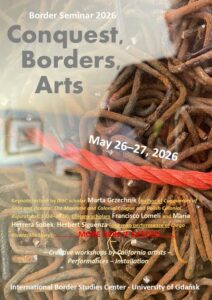
Border Seminar 2026 “Conquest, Borders, Arts” May 26–27, 2026
Under the patronage of
Dr hab. Małgorzata Jarmułowicz, Professor of the University of Gdańsk,
Dean of the Faculty of Languages
PROGRAM
Tuesday, May 26
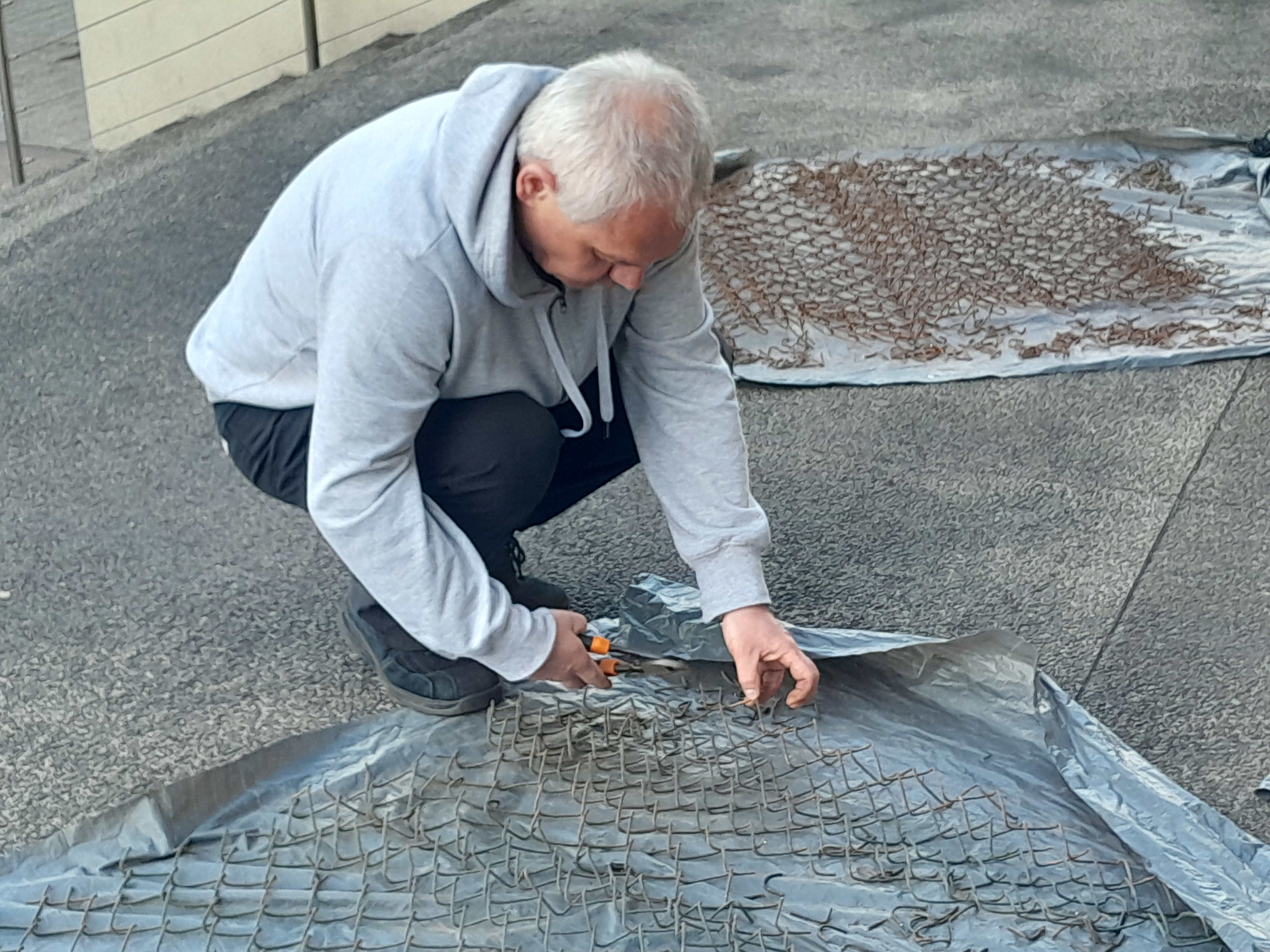
08:00 — Installation / Performance (ongoing)
Martin Blaszk (University of Gdańsk)
Father Crossing
Location: Neophilology Patio
09:00–10:00 — Student Panel A — Identity, Gender, Culture
Location: Room 355
Chair: Ross Aldridge
- Emilia Siagło (University of Gdańsk)
The patriarchy’s conquest of female psyche as portrayed in works by Olivia Rodrigo - Gabriela Szelągiewicz (University of Gdańsk)
Reclamation of female bodies and lesbian continuum in Women Talking (2022) - Helena Kreuzmann (Christian-Albrechts-Universität zu Kiel)
“The spirit of the frontier is written in our hearts” – Nostalgia in Politics and the Western Genre by the Example of Donald Trump Rhetoric and the TV Series 1883
09:00–11:00 — Student playwriting workshop with Carlos Morton, session 1
Location: Room 034
10:00–10:15 — Opening Address
Location: Room 355
Grzegorz Welizarowicz (University of Gdańsk) – “Of Conquerors”
10:15–11:00 — Keynote 1
Location: Room 355
Marta Grzechnik (University of Gdańsk)
Conquerors of Seas and Oceans: The Maritime and Colonial League and Polish Colonial Aspirations, 1924–1939
11:00–11:15 — Break
11:15–12:30 — Session 1 – Colonialism, Environment, Politics of Place
Location: Room 355
Chair: Anna Mazurkiewicz
- Jia Lu (Valdosta State University)
Mapping Belonging: Public Art, Murals, and the Politics of Place in the U.S. South - Juan Pedro Martín-Villarreal (Universidad de Cádiz)
Colonial Desire and Poetics of Itinerance in El Mehdati’s Supersaurio (2022) - Jutta Zimmermann (Christian-Albrechts-Universität zu Kiel)
Water Wars in the Mexican-American Borderlands: A Blue Humanities Perspective on Paolo Bacigalupi’s The Water Knife
12:30–13:30 — Lunch
13:30–14:15 — Keynote 2
Location: Room 355
Chair: Carlos Morton
Francisco Lomelí (University of California, Santa Barbara)
Chicano Literature and the U.S.-Mexican Border: Roaming Texts that Speak Two Tongues
14:15–15:30 — Session 2 – Migration, Memory, Testimony
Location: Room 355
Chair: Ross Aldridge
- Martin Blaszk (University of Gdańsk)
Father Crossing (installation/performance discussion) - Ewa Antoszek (Maria Curie-Skłodowska University, Lublin)
Narratives of displacement: A Dream Called Home and Silent Trees (2024) - Anna Mazurkiewicz (University of Gdańsk)
Book Presentation: Finding the Man that Everyone Knew.
15:30–15:45 — Break
15:45–17:00 — Session 3 – Performance and Literature
Location: Room 355
Chair: Grzegorz Welizarowicz
- Herbert Siguenza (American actor)
Moliere in Alta California: Chicano actor and playwright Herbert Siguenza discusses why he adapts European classics for a Chicano audience - Georgia Scott (American writer)
“Love Conquers All?” — performative reading from Aphrodite’s Swimsuit
17:30–19:00 — Film Screening
Silent Trees (dir. Agnieszka Zwiefka)
Location: Room 362
Wednesday, May 27
09:00–10:00 — Student Panel B – Borders, Politics, Society
Location: Room 355
Chair: Ross Aldridge
- Małgorzata Zakrzewska (University of Gdańsk)
Reading Between the Lines – A Comparative Analysis of the Language in the National Security Strategy of 2015 and 2025 - Paweł Herman (University of Gdańsk)
„With Us or Against Us” – Imperialistic Propaganda in American Professional Wrestling After the Iranian Revolution of 1979 - Michał Dochtorowicz (University of Gdańsk)
Pluralism of Mostar: The Ambiguity of Reconciliation and Cultural Borders - Mateusz Stępień (University of Gdańsk)
Split Peaks: bordering cultures in the highlands of the Indian subcontinent.
09:00–11:00 — Student playwriting workshop with Carlos Morton, session 3
Location: Room 034
10:00–10:45 — Keynote 3
Location: Room 355
Chair: Ewa Antoszek
Maria Herrera-Sobek (University of California, Santa Barbara)
Solito: Nature and Migration — A Child’s Journey from El Salvador to the USA
11:00–12:30 — Session 4 – Borders in Education
Location: Room 355
Chair: Francisco Lomeli
- Border Studies in Global Studies — curated by Martin Blaszk (University of Gdańsk)
- Ewa Antoszek (Maria Curie-Skłodowska University, Lublin) — MigraMedia project
- Book Presentation: Reader: Migracje i uchodźstwo (Uniwersytet Gdański, 2026) with editor Grzegorz Welizarowicz (University of Gdańsk) and author Carlos Morton (University of California, Santa Barbara)
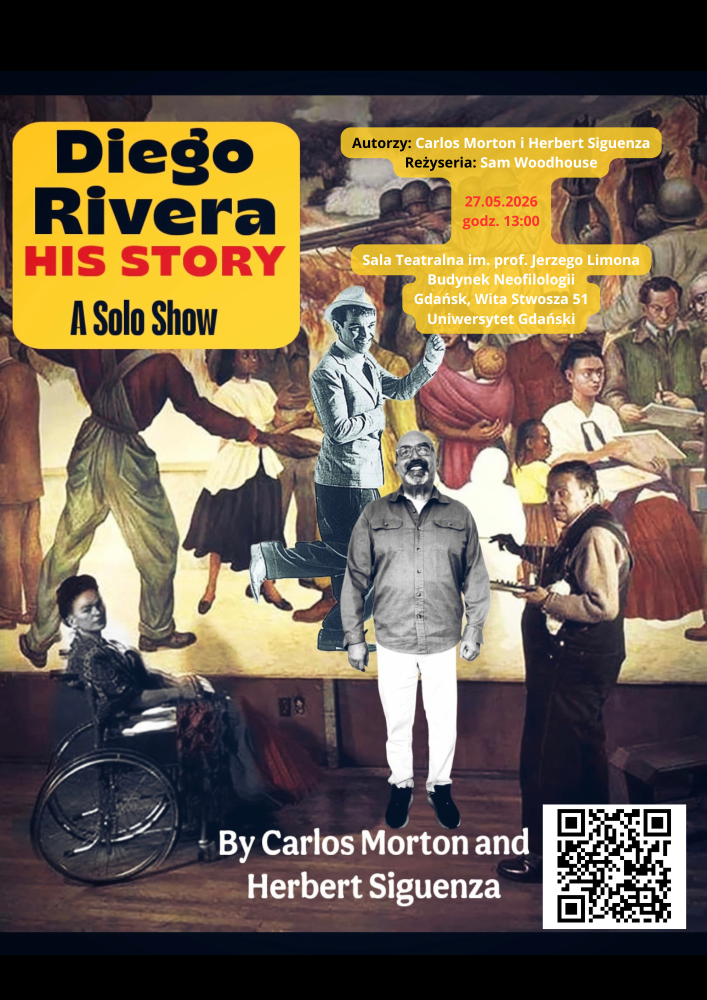
12:45–14:45 — Herbert Siguenza in Diego Rivera: His Story, a solo show
Theatre Performance and Discussion
Location: prof. Jerzy Limon Theater Hall, Neophilology Building
Free for Conference Participants and students of UG
Information on seats reservation for general audience:
https://docs.google.com/document/d/1ynVUjSK638KKfzM4KmV1qqXk_MUrj0Cd8DuHPEFguRg/edit?usp=drive_link
Post-performance discussion
Moderated by: Grzegorz Welizarowicz (University of Gdańsk)
- Carlos Morton (University of California, Santa Barbara)
- Herbert Siguenza (California actor, playwright, artist painter)
- Sam Woodhouse (California director)
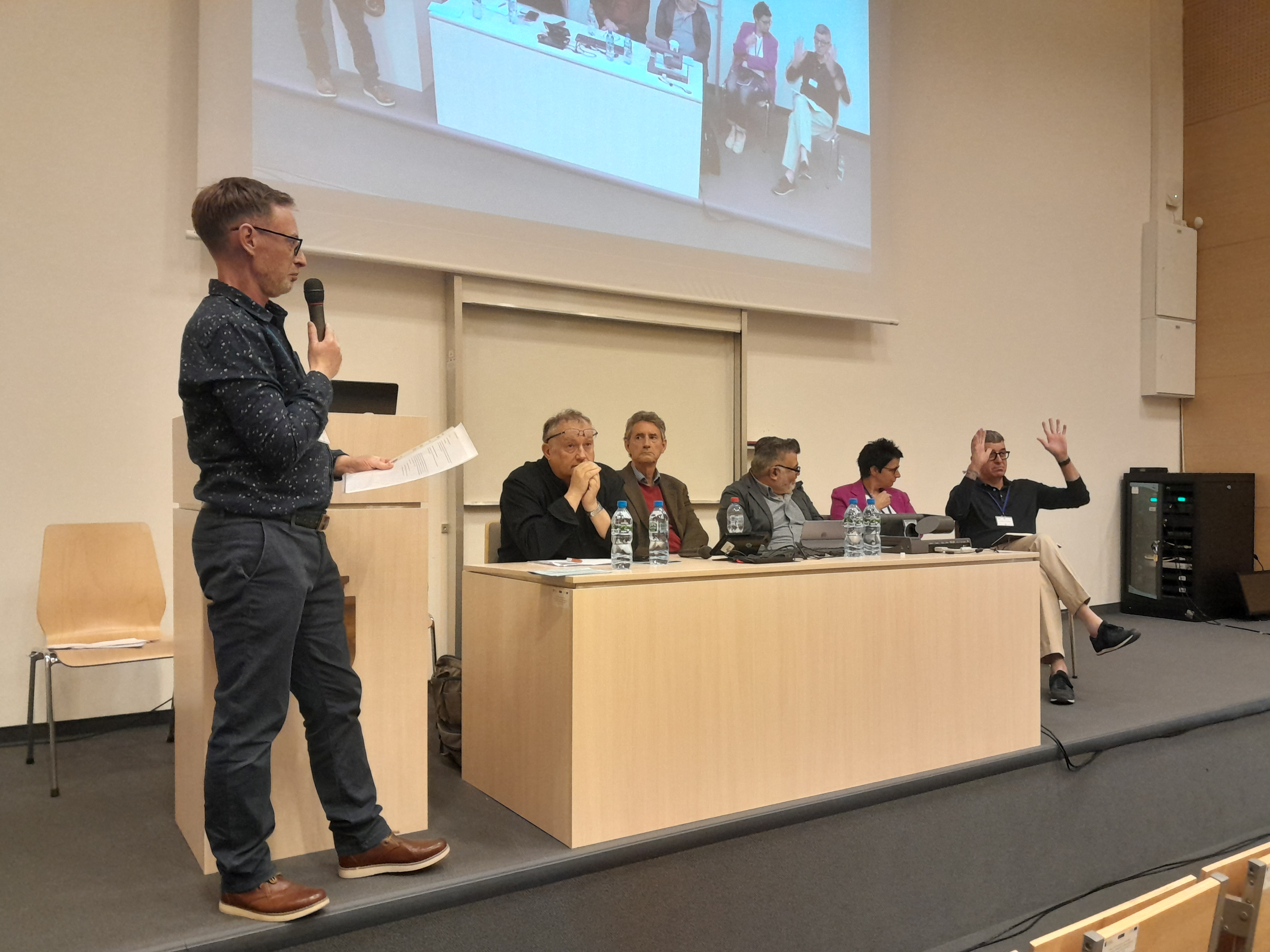
15:00–15:45 — Border Seminar 2026 Closing Roundtable
Location: Room 355
Moderated by: Ross Aldridge (University of Gdańsk)
18:30 — Evening Event: Border Seminar Night
Location: Dwie Zmiany, Sopot
Student playwriting workshop presentations
Border Seminar Partners:
Faculty of History UG;
Border Studies Lab UG;
MigraMedia Project: https://www.uni-hildesheim.de/migramedia/
Herbert Siguenza in Diego Rivera: His Story
Diego Rivera: HIS STORY is an evocative one-person show that delves into the extraordinary life of Diego Rivera through his art and relationships with women and patrons. Set in the aftermath of the funeral of his iconic wife, Frida Kahlo, Rivera returns to his studio, grappling with grief, confusion, and a looming sense of mortality. In his solitude, Rivera is visited by Cantinflas, a charismatic figure embodying Mexican consciousness and the common man. Through a compelling blend of visuals and music, Rivera recounts his vibrant journey through art, politics, and his complex relationships.
The play offers an intimate look at a revolutionary artist whose mural movement elevated Mexico on the global stage, and explores his tumultuous yet inspiring relationship with Frida Kahlo. Diego Rivera: HIS STORY is a tribute to one of Mexico’s most influential visual artists of the 20th century, brought to life by the acclaimed actor, playwright, and visual artist Herbert Siguenza of the Chicano group Culture Clash.
Written by Carlos Morton and Herbert Siguenza.
Duration: 65 Minutes
Georgia Scott “Love Conquers All?”
American writer reads from her new novel Aphrodite’s Swimsuit
A performative reading from Aphrodite’s Swimsuit, Georgia Scott’s first novel.
Intrigued by a woman’s radical past, a young British diplomat has an affair during his first posting abroad. In a European nation transitioning to freedom after years of communist rule, this reverse age gap and forbidden love story has ramifications long after the summer of ’95 ends.
Georgia Scott is from Boston but has spent most of her life abroad. During the Cold War, she worked with dissident writers. Her writing has appeared in The Massachusetts Review and other literary journals in America and throughout Europe and been translated into numerous languages. Her books include two of poetry and a memoir.
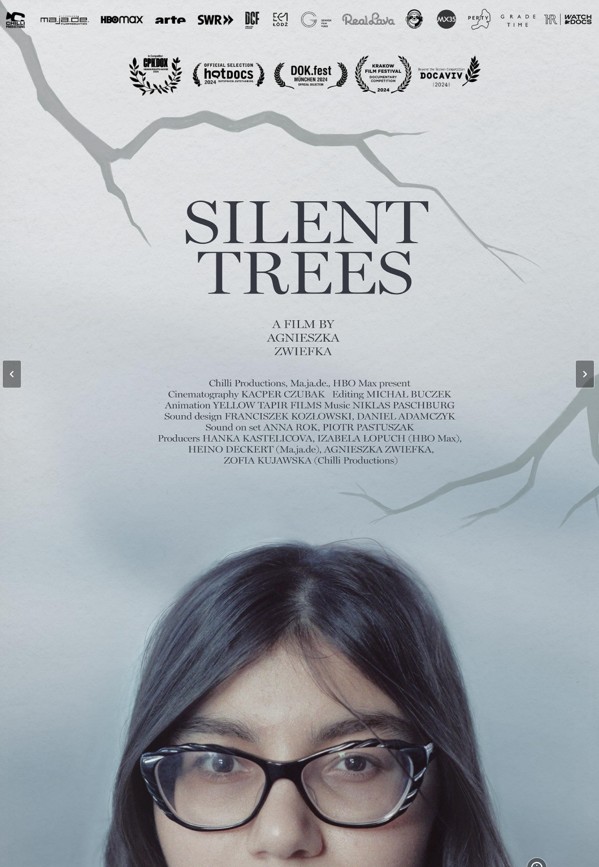
Film screening: Silent Trees by Agnieszka Zwiefka
The film follows Runa, a 16-year-old Kurdish girl who, after the tragic death of her mother on the Polish-Belarusian border, is forced to care for her four younger brothers and emotionally withdrawn father. Combining observational documentary with animated sequences based on Runa’s drawings, the film offers an intimate coming-of-age story set against the realities of the global refugee crisis.
Directed by award-winning Polish filmmaker Agnieszka Zwiefka, Silent Trees premiered at CPH:DOX 2024 and has since been screened at numerous international festivals, including Hot Docs and the Krakow Film Festival, where it received several distinctions.
Runtime: 84 minutes
Countries: Poland / Germany / Denmark
Languages: Kurdish, Polish, English
Border Seminar 2026 “Conquest, Borders, Arts” — Call for Papers
“The title by conquest is acquired and maintained by force.” Chief Justice Marshall, Johnson and Graham’s Lessee v. M’Intosh (1823)
“The Conqueror model contains a submodel we shall call the Empire model, or model of imperium, which is the process by which the prototypical conqueror ‘reaches out’ and ‘grabs’ or ‘seizes’ new lands in order to dominate those lands and the indigenous peoples living there.” Steven T. Newcomb Pagans in the Promised Land: Decoding the Doctrine of Christian Discovery (2008)
2026 marks four years since the full-scale invasion of Ukraine. In hindsight, Russia’s neo-imperial ambitions appear as heralding a global re-awakening of imaginaries and practices of conquest. We live in times of terrible bloodshed. Another school is bombed. Global military spending has never been this high.
In Border Seminar 2026 we want to ask what we see as related questions of conquest, borders, and arts.
- What can the history of conquest propaganda teach us about contemporary imperial imaginaries?
- How does the imperium reproduce itself through ideology, legal frameworks and cultural narratives?
- How do various artistic genres and performances feed (or resist) into what anthropologist Michael V. Wilcox calls the “terminal narratives” or the lasting of the conquered/bordered peoples and institute (or erode) the moral economy of conquest?
- What cognitive models expressed in discourses normalize conquest and divorce it from its consequences (i.e. migrations, displacement) and what are those that sustain hope and resist apathy?
- If borders and the conqueror (ego cogito/ego conquiro) are the essential products of Modernity, what does their relationship tell us about the darker, occluded dimensions of modern borders (i.e. as instruments of both fortification and expansion)?
- What are the repressed pluriversal alternatives to these models?
Papers addressing these and related questions from the perspectives of global studies, American studies, literary studies, popular culture, cognitive science, performance studies, linguistics, education, history, art history, anthropology, and other fields are welcome. Following models of performance as research and embodied research practice, we also welcome creative responses to the theme, including texts, performances, and artworks as well as all mixed-format (scholarly/artistic) presentations. Selections from the proceedings will be published in the second volume of the IBSC Reader series.
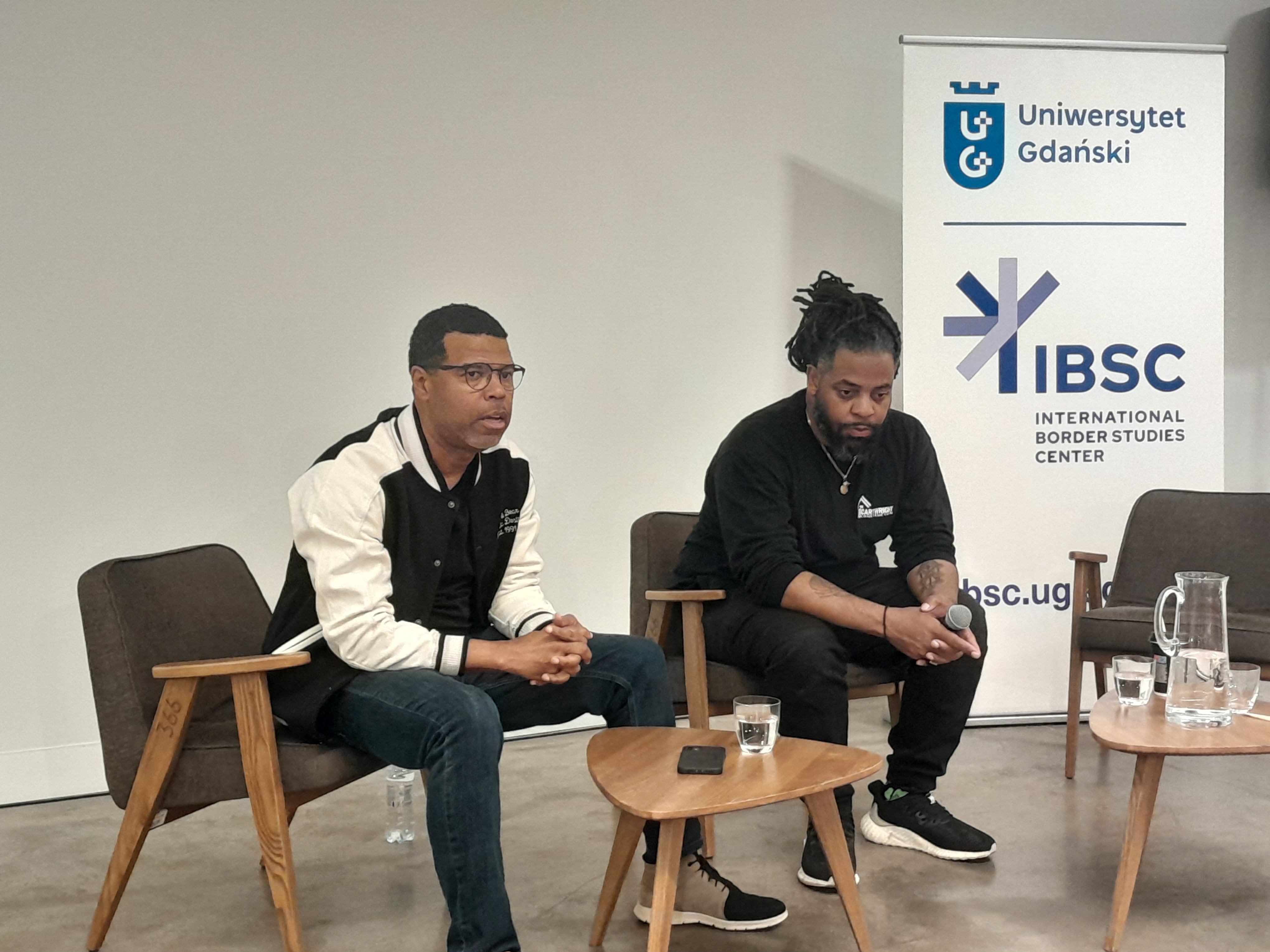
Border Seminar 2026 “Conquest, Borders, Arts” is intended to offer an environment in which the arts and scholarship freely intersect. The program includes keynote lectures by IBSC scholar Marta Grzechnik (author of Conquerors of Seas and Oceans: The Maritime and Colonial League and Polish Colonial Aspirations, 1924–1939), and by Chicanx scholars Francisco Lomelí and María Herrera-Sobek.On May 27, Chicano actor and artist Herbert Siguenza will perform Diego Rivera: His Story, a one-man show. Creative workshops by California artists will be offered to an international group of students. Performance artist Martin Błaszk will lead a workshop and a performance/installation.
A participation fee of 70 PLN will help us provide coffee and snacks for participants.
The payment should be made to: University of Gdańsk, bank account number: 20 1240 1271 1111 0011 6583 1531 Bank Pekao S.A. Oddział w Gdańsku IV ul. Kołobrzeska 43. For payments from abroad, please use Swift: PKOPPLPW, IBAN: PL 20 1240 1271 1111 0011 6583 1531 . Please add the payment info: Border Seminar 2026, KI1A-26, and your name.
Submission Guidelines
- Abstracts: max. 150 words
- Presentation length: 15 minutes (scholars), 10 minutes (students)
- Submission deadline: April 27, 2026
- Notification of acceptance: April 29, 2026
Please send abstracts (250-300 words) and a short biographical note (50–80 words) to:
The International Border Studies Center (IBSC) at the University of Gdańsk
Bi-annual Border Seminar series:
1) 2017: Border Seminar by the Border Studies Group
2) 2019: Borderlands by the Border Studies Group
3) 2021: (Re)Thinking Border Studies / Communication across Borders – hosted online by Border Studies Group & the IBSC
4) 2023: Migration Narratives & Border Studies
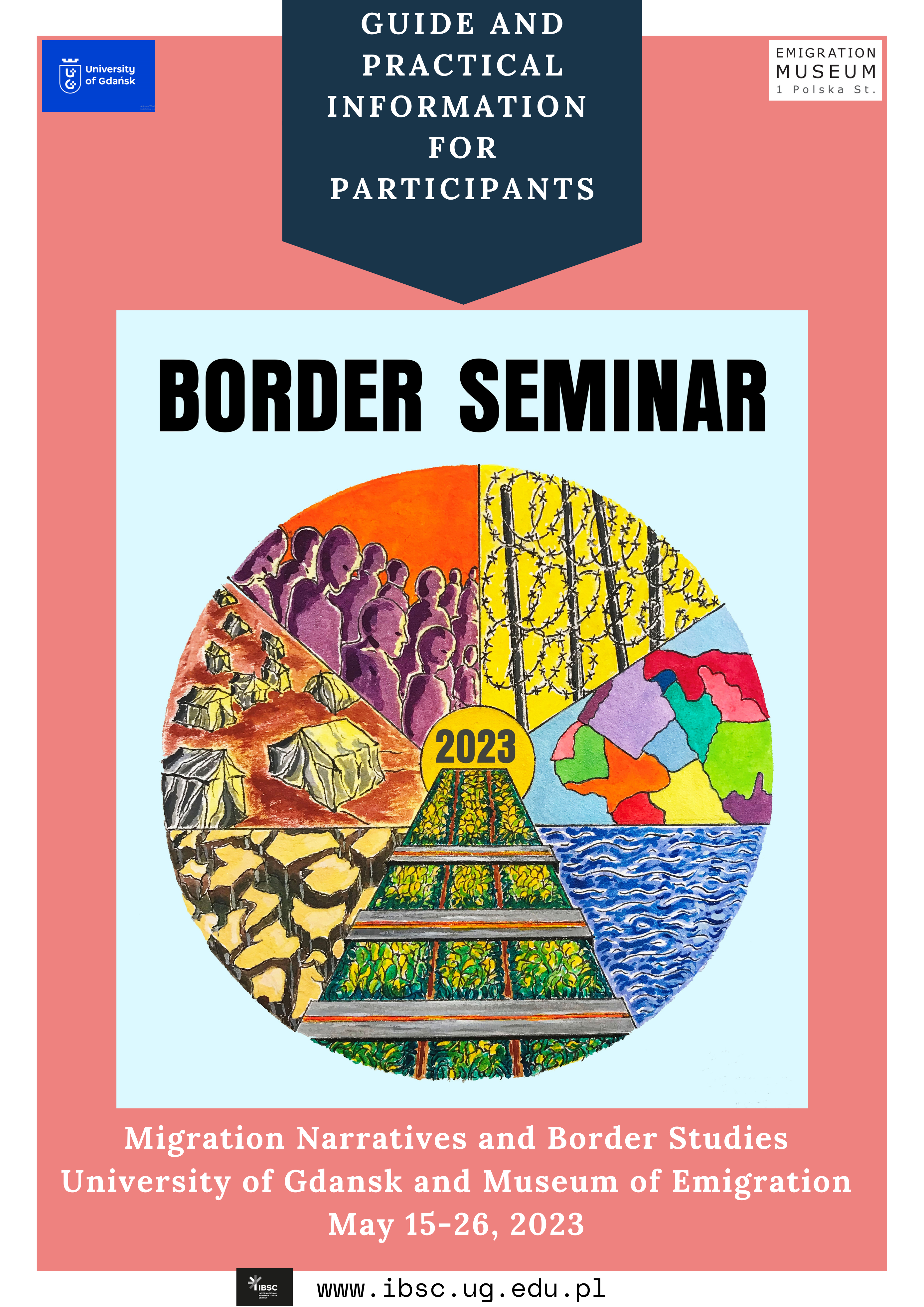
Border Seminar 2023: Migration Narratives and Border Studies: May 15-26, 2023
CONFERENCE Program: https://docs.google.com/document/d/17Irc3G9DC57cZEyh-WcbVQGMNwsz1vIB/edit?usp=sharing&ouid=104991489835999765556&rtpof=true&sd=true
Conference Handbook – practical info:
https://ibsc.ug.edu.pl/newsletters/2023-border-seminar-conference-handbook/
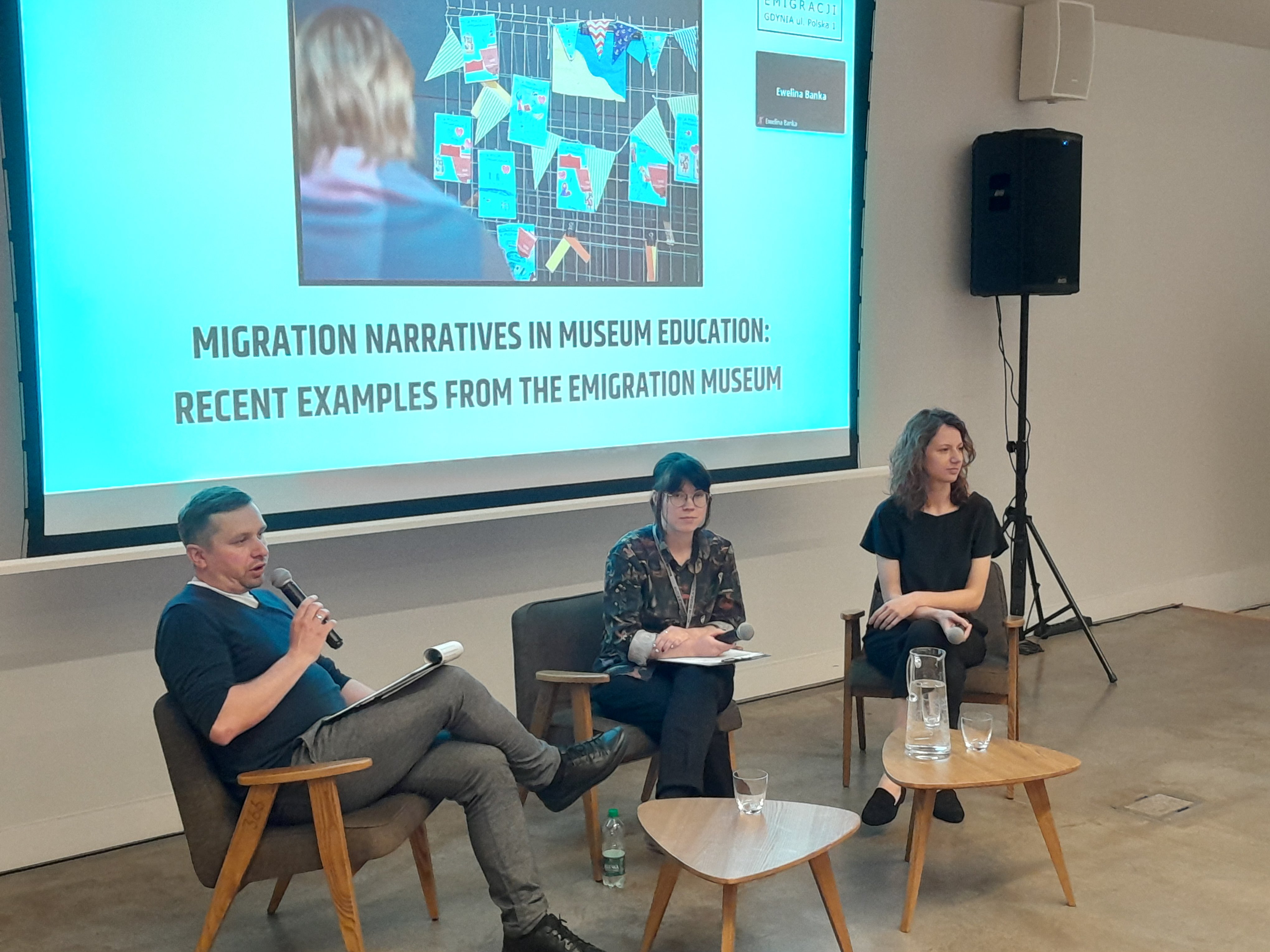
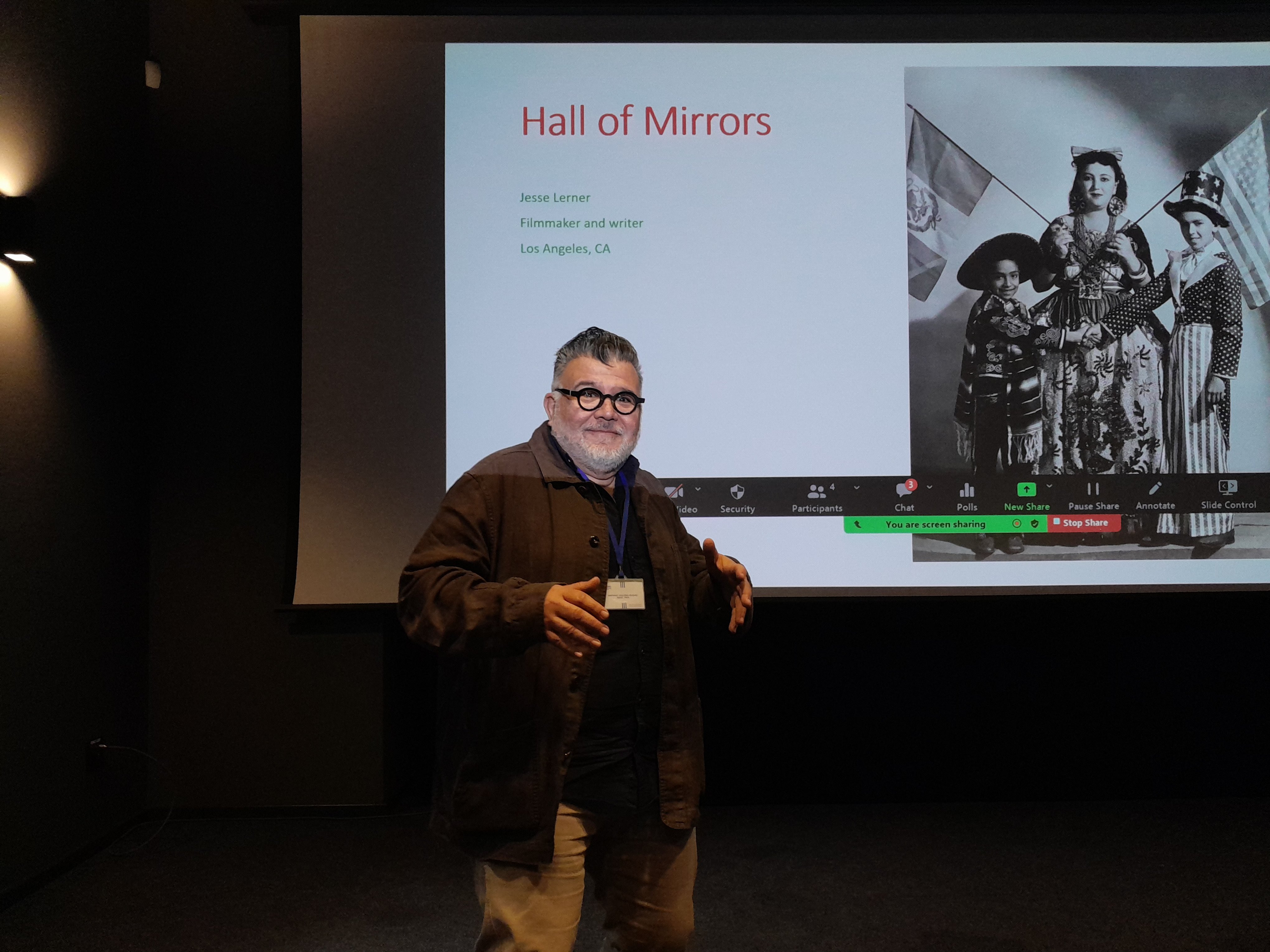
Border Seminar is an international conference organized by the Border Studies Group (BSG) working at the Institute of English and American Studies, Faculty of Languages. University of Gdansk. The idea of the conference came from a longing for a better understanding of what seemed to the members of the BSG as a highly undertheorized and misunderstood concept of the border. We think of the border in as many senses as there are. We are eager to learn from interdisciplinary dialogs, to seek new vocabularies and approaches to break affective aporias or imaginary spells of the border.
The Program of the Border Seminar 2021 is available here: https://ibsc.ug.edu.pl/?page_id=25864
The Border Studies Group is an interdisciplinary group of scholars and artists interested in transgressive theories and praxis coordinated by Grzegorz Welizarowicz. One of the founding loci of the BSG is the American continent. Another is the Pomeranian region. Some of our members are interested in performative pedagogy. Our idea is to blend the academic practice with artistic one. We engage students in theater and performances. Members of the group were among the founders of the IBSC.
Our motto: „We live therefore we cross.”