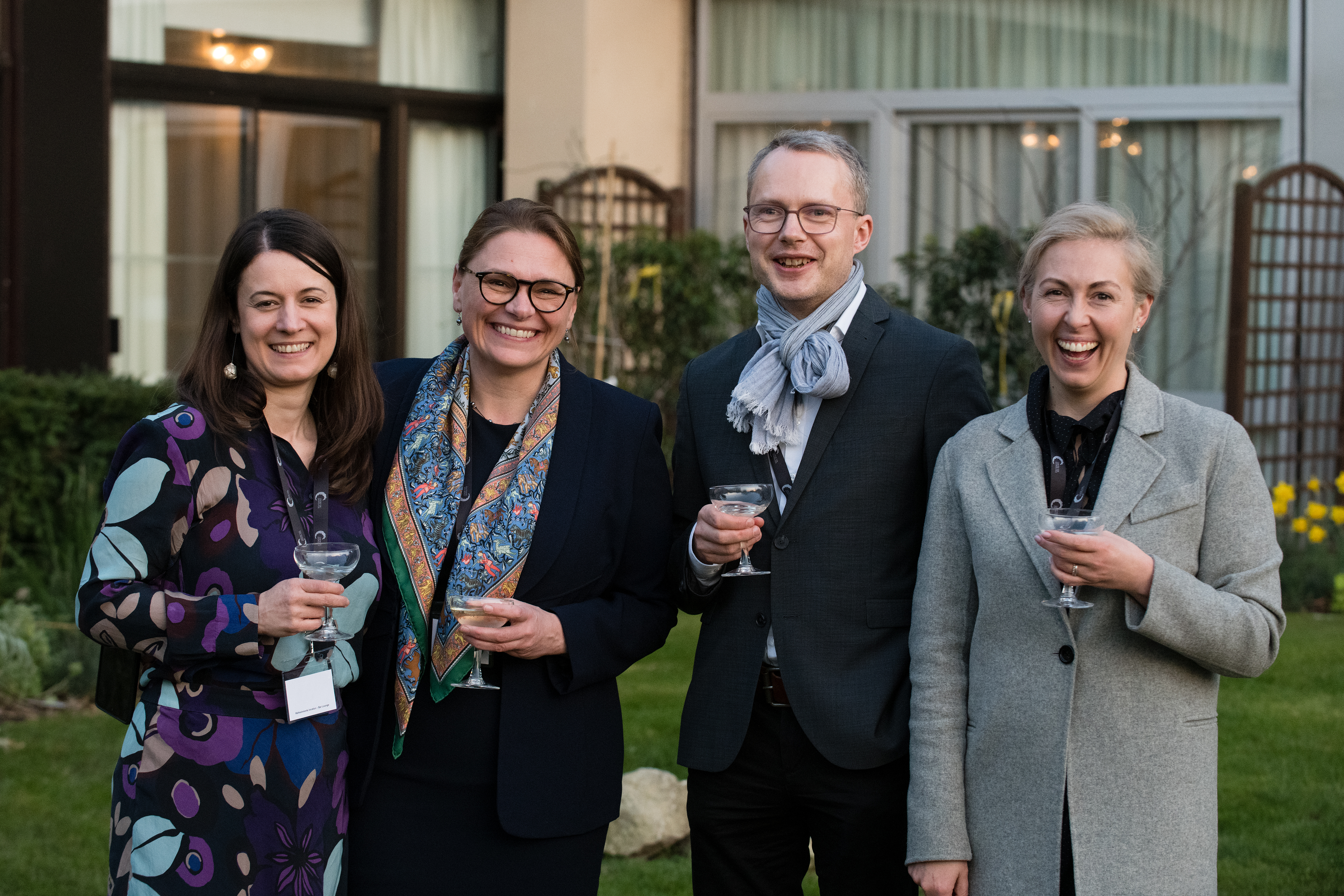
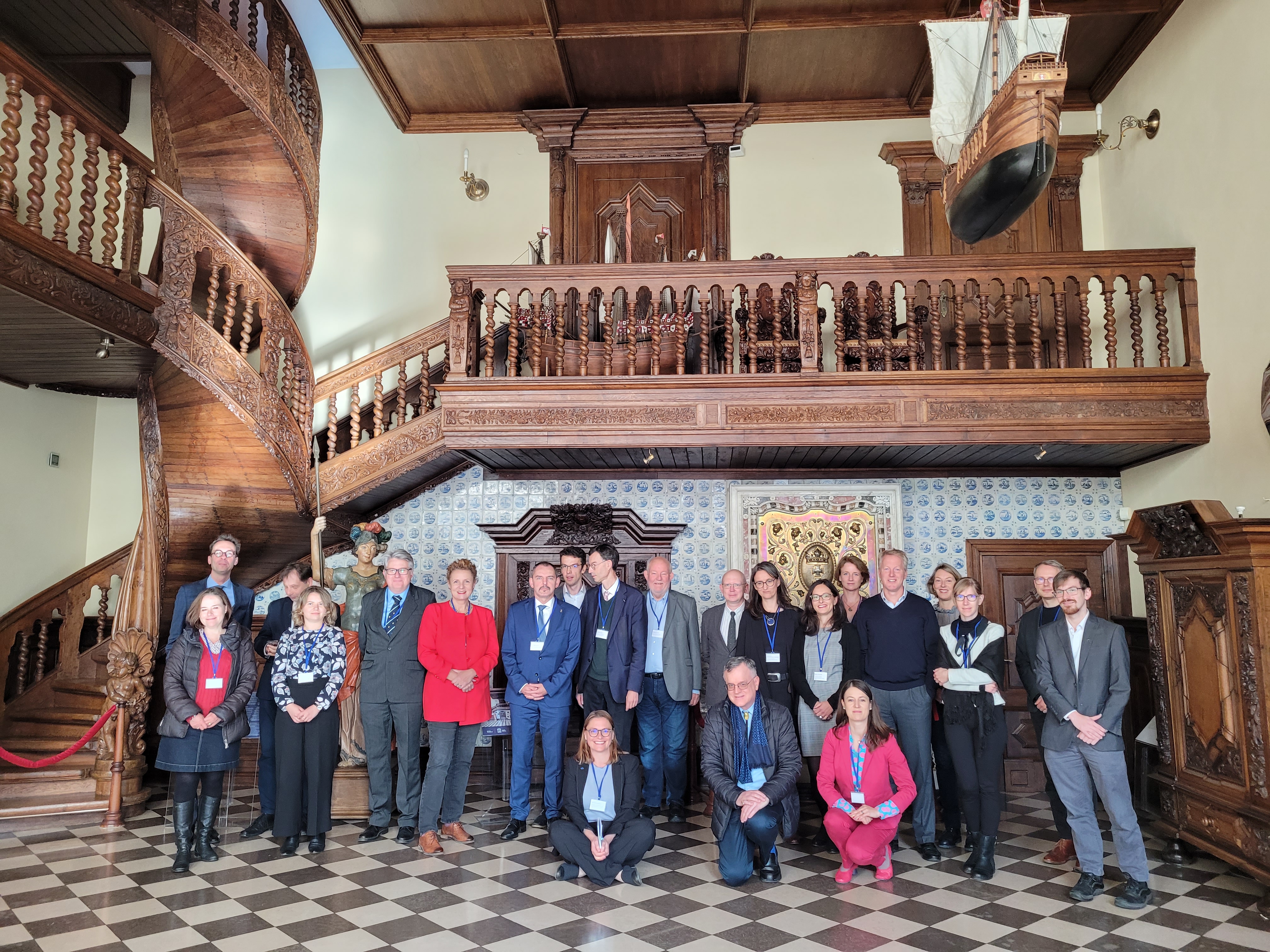
IBSC was a partner of the second edition of the Cambridge University Summer School, which took place on July 5-11, 2026. This year’s edition was organized by the Regional Center for International Debate (RODM), whose activities cover the Pomeranian and Warmian-Masurian voivodeships. RODM’s activities are coordinated by the Lech Wałęsa Institute Foundation and the University of Gdańsk. The participants of the summer school were University of Cambridge students who successfully completed the recruitment process organized by the Centre for Geopolitics. One of the programs run by this center is the Baltic Geopolitics Network – a research network focused on the contemporary and historical geopolitics of the Baltic region, with particular emphasis on relations with the United Kingdom. As part of this cooperation, researchers from the University of Gdańsk regularly participate in conferences organized by the BGN in Cambridge, UK. In addition, the IBSC co-organized a conference organized in 2021, and organized the 2023 Summer School. See more at: https://www.cfg.cam.ac.uk/events/baltic-geopolitics-summer-school-2026-resilience/
New book!
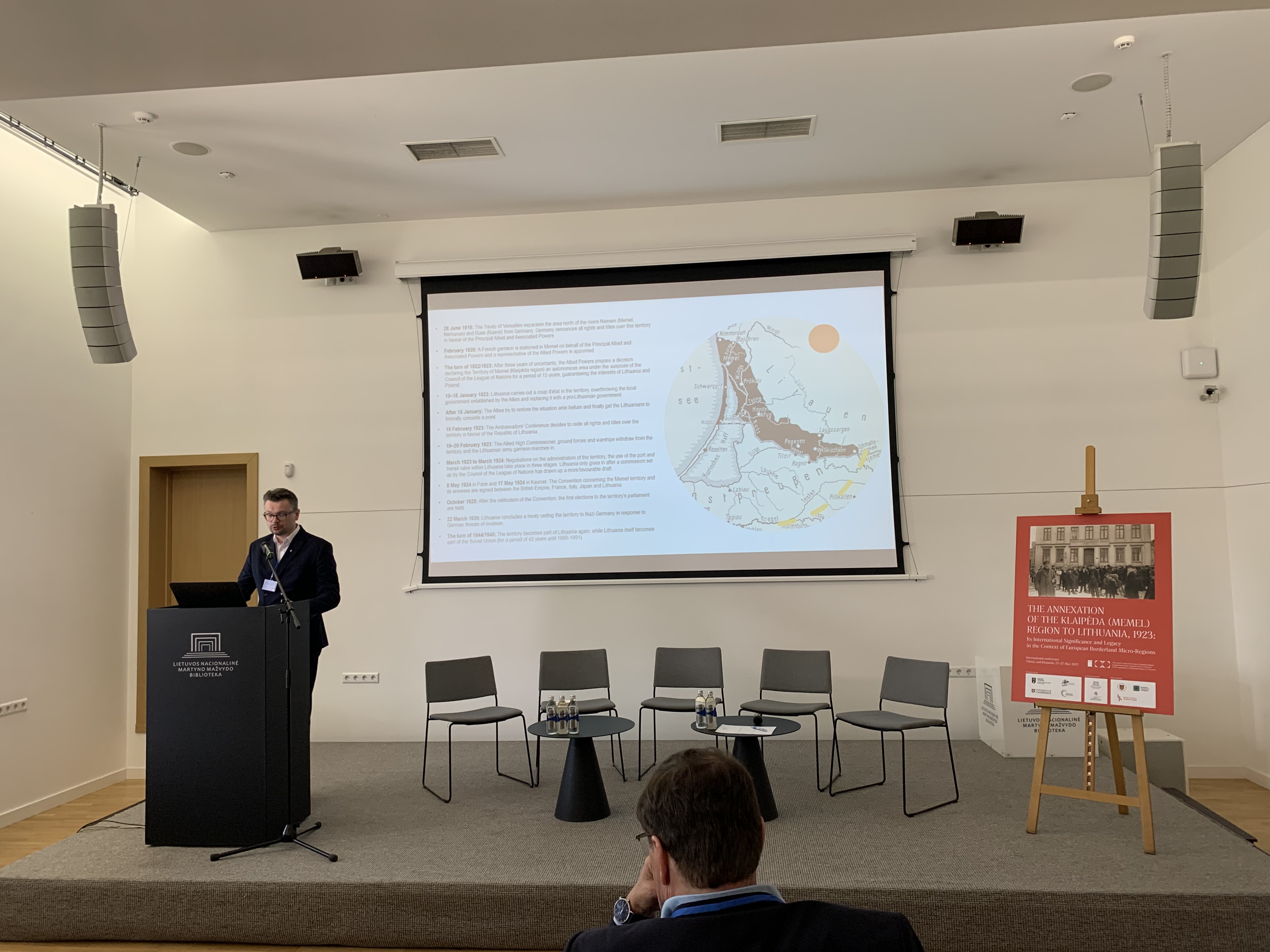
Marta Grzechnik, Conquerors of Seas and Oceans: The Maritime and Colonial League and Polish Colonial Aspirations, 1924–1939, Brill 2025.
This book examines the vision of maritime and colonial expansion developed by the Maritime and Colonial League, Poland’s second largest mass organization in the interwar period. It focuses on how the League aspired to transform Poland from a land into a maritime nation, from backward and marginal to modern and central; to create “a new, pioneering type of Pole, conqueror of seas and oceans, mosquitos and malaria (…) building bridges, taming waterfalls and carrying high the banner in the name of Poland” (Michał Pankiewicz in Morze, September 1936). Through colonial expansion, which in the League’s vision included overseas settlement and trade, active presence in the colonial world and by exercising power over it, Poland was to overcome its internal problems and become a modern power with global presence, on equal terms with its Western European neighbors.
Event review – Baltic Summer School 2023
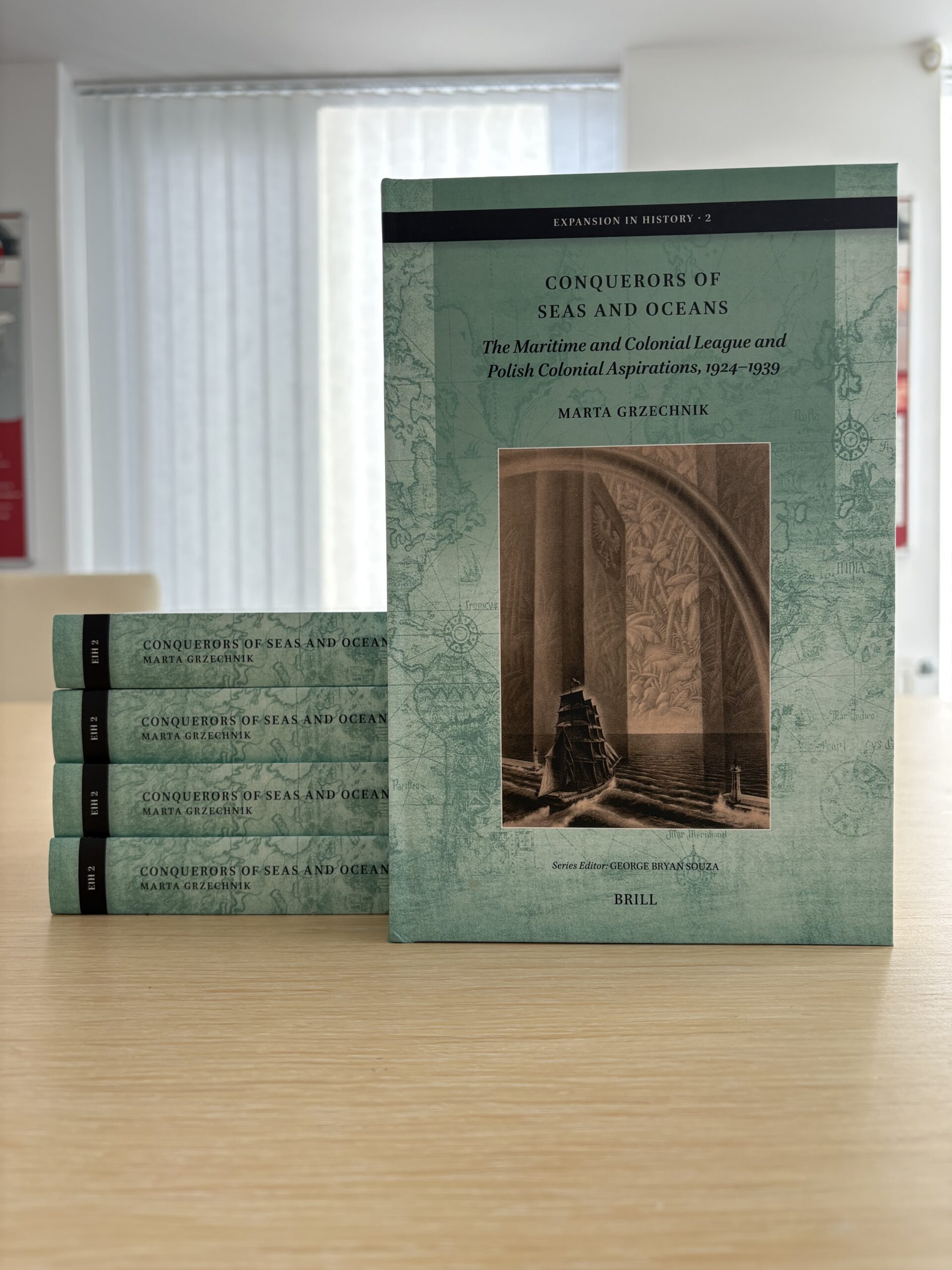
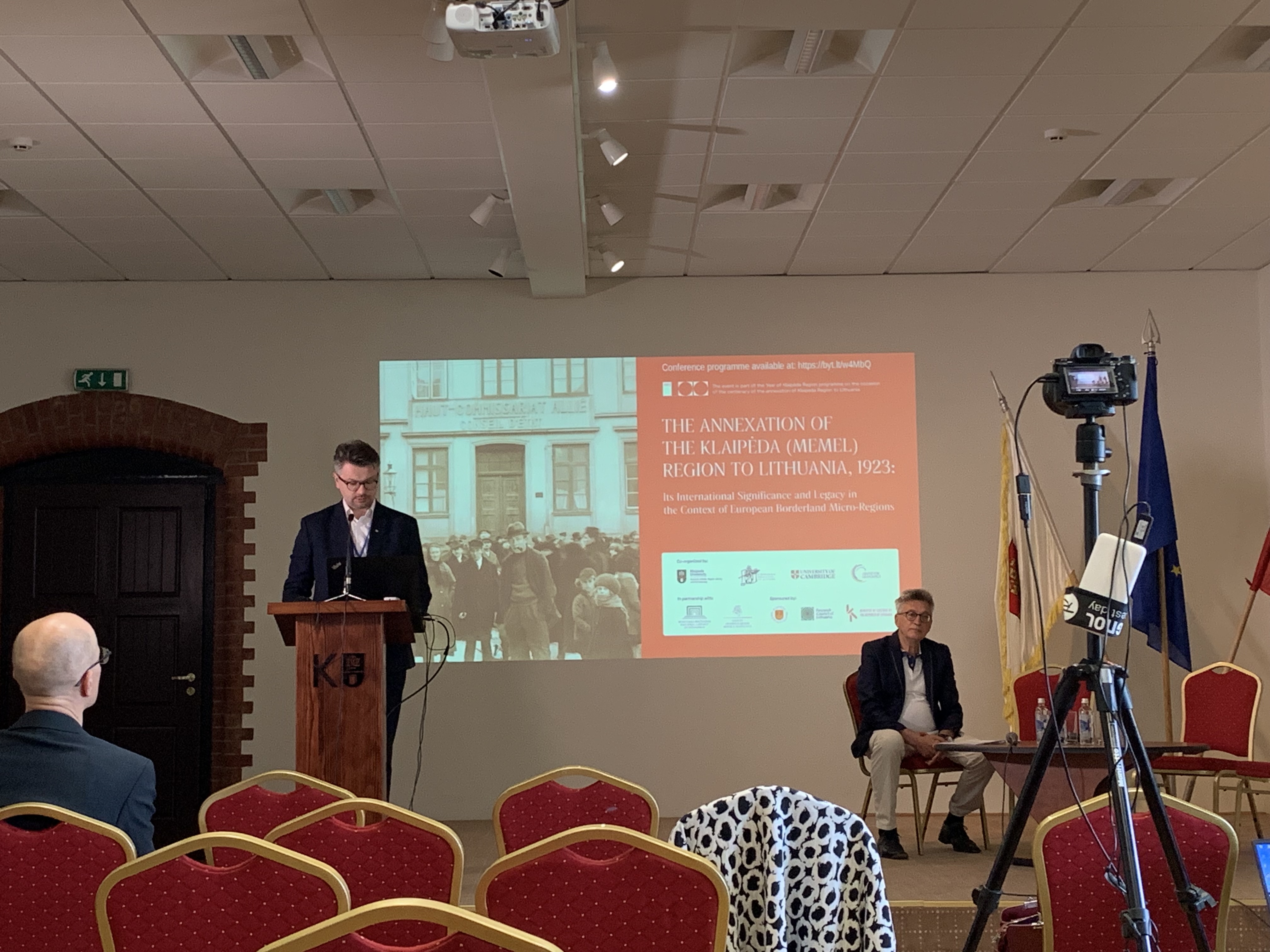
Between 25 and 27 May 2023 the conference „The annexation of the Klaipėda (Memel) region to Lithuania, 1923: its international significance and legacy in the context of European borderland micro-regions” took place in Vilnius and Klaipėda. It was organised jointly by the Institute of Baltic Region History and Archaeology at Klaipėda University, the Lithuanian Institute of History, Vilnius, and the Centre for Geopolitics at the University of Cambridge.
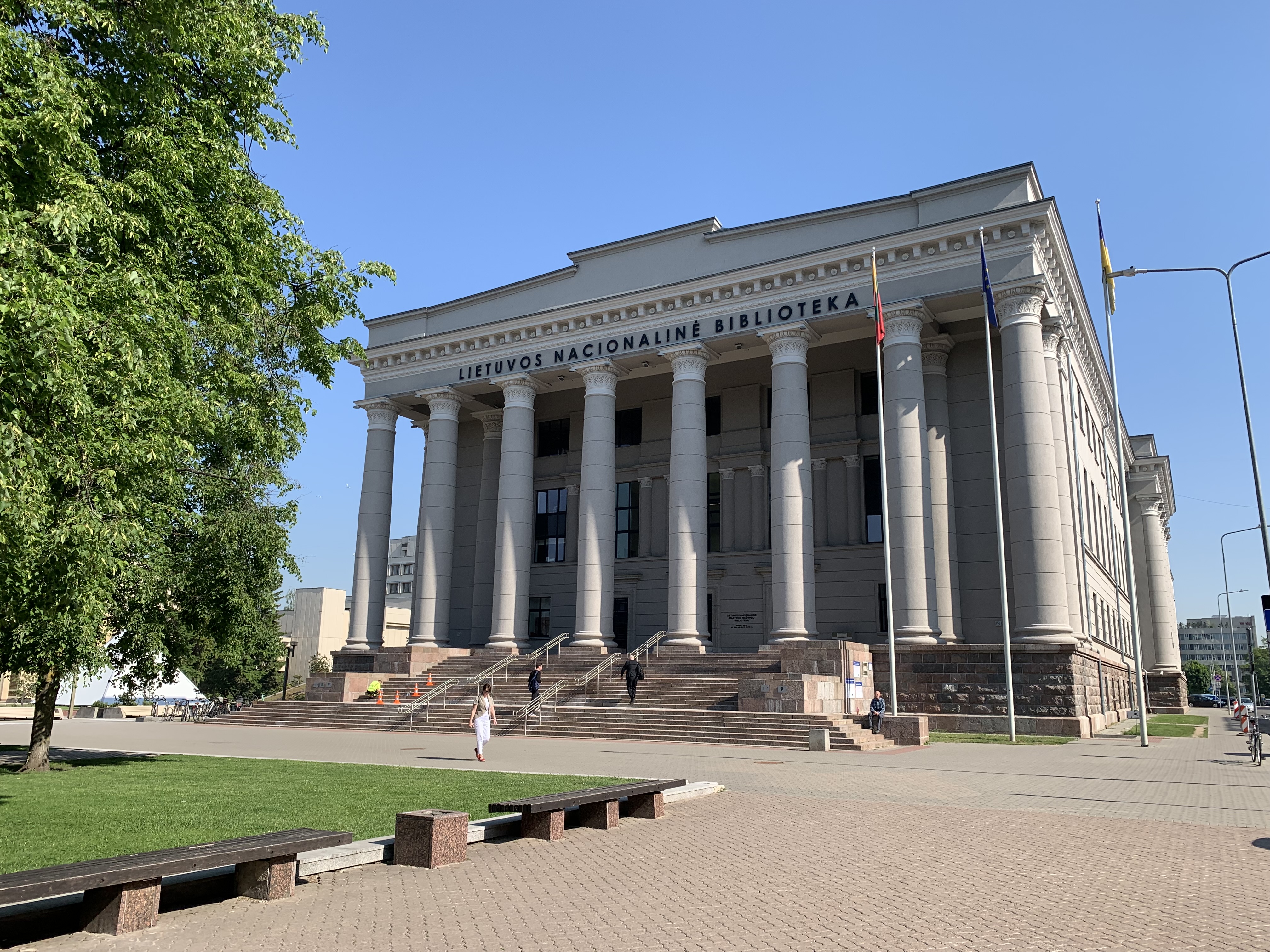
The conference’s unusual format – the first day took place in Vilnius, in the Martynas Mažvydas National Library of Lithuania, after which all participants relocated to Klaipėda and its university – allowed the participants to experience the location which was at the focus of the conference and provided the opportunity for lively discussions and establishing close relations.
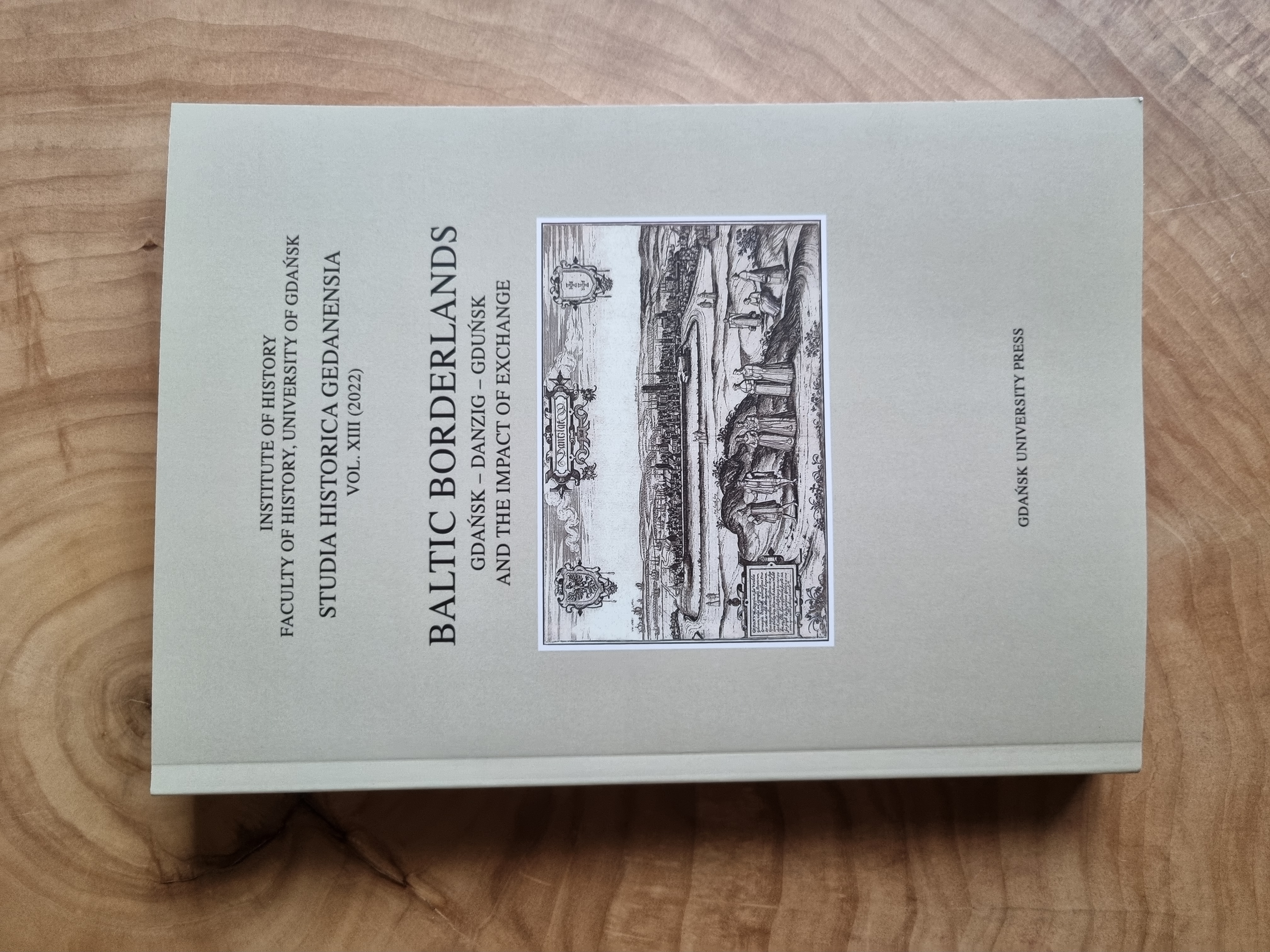
The presentations and discussions did not only focus on the annexation of Klaipėda in 1923 but put this event in the context of Lithuania’s relations with its neighbours, as well as in a comparative context with other, similar cases in contemporaneous Europe, including the use of the so-called Danzig corridor, Poland’s access to the sea and the construction of Gdynia, which was presented by IBSC’s Marta Grzechnik.
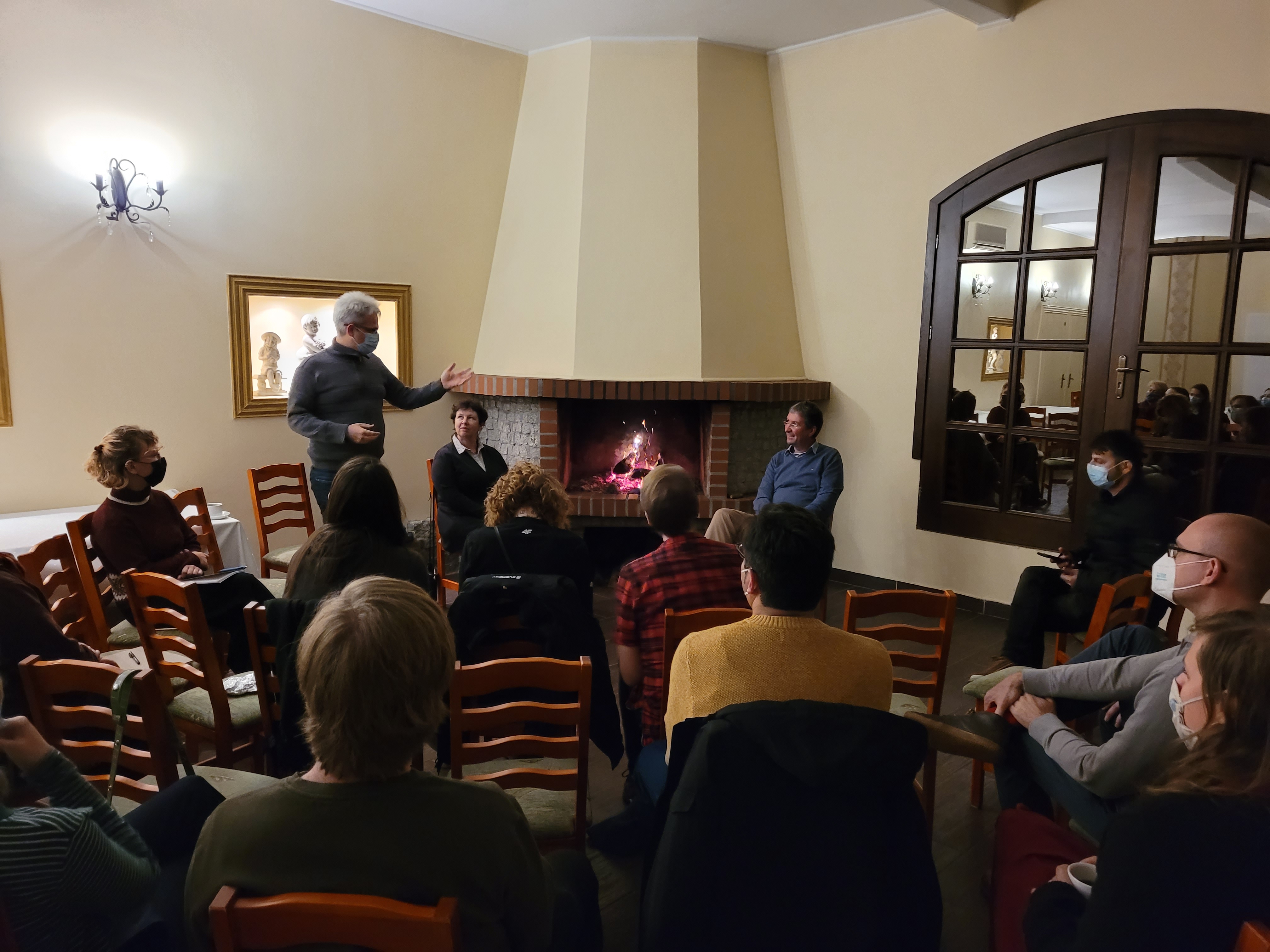
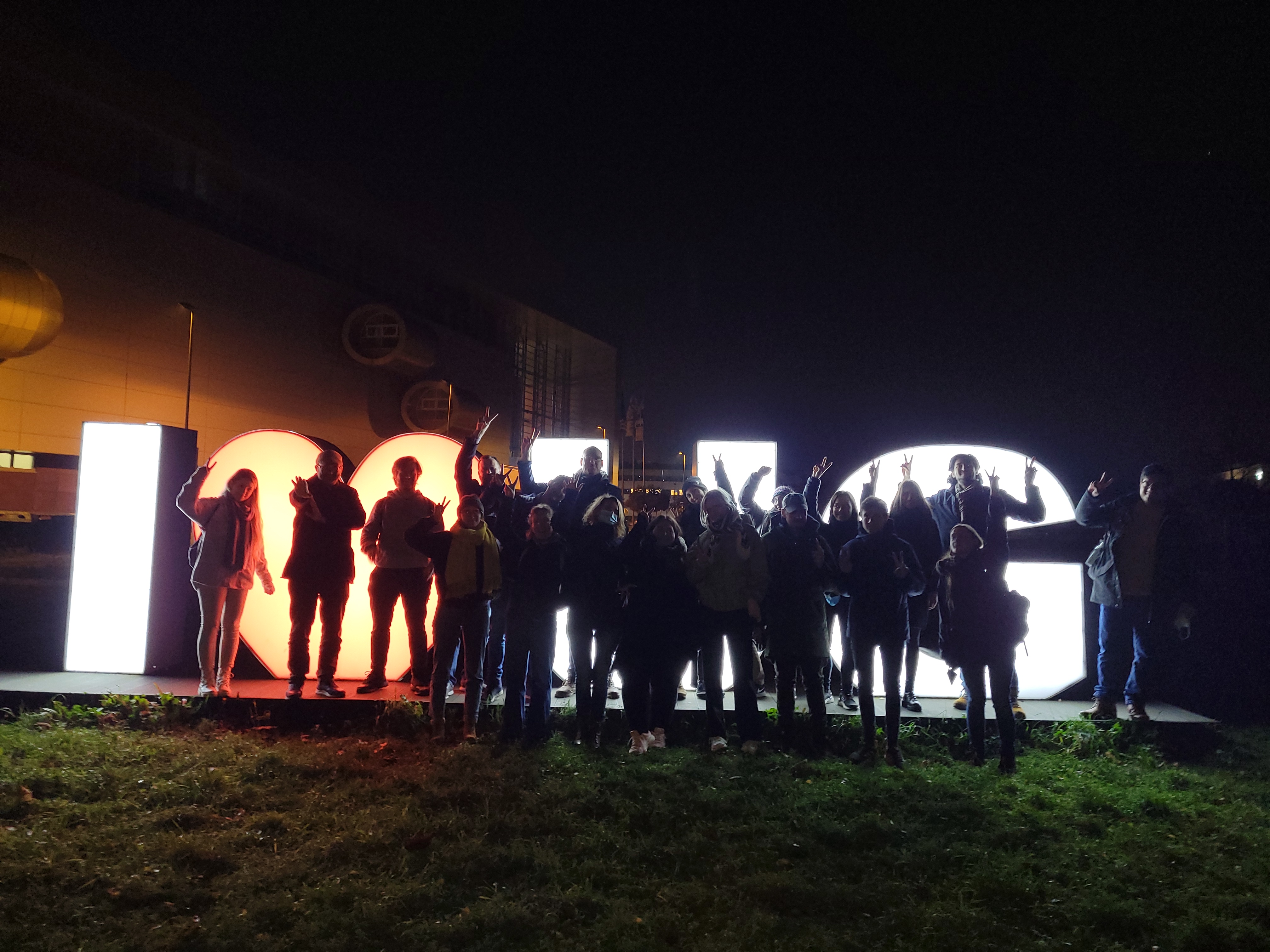
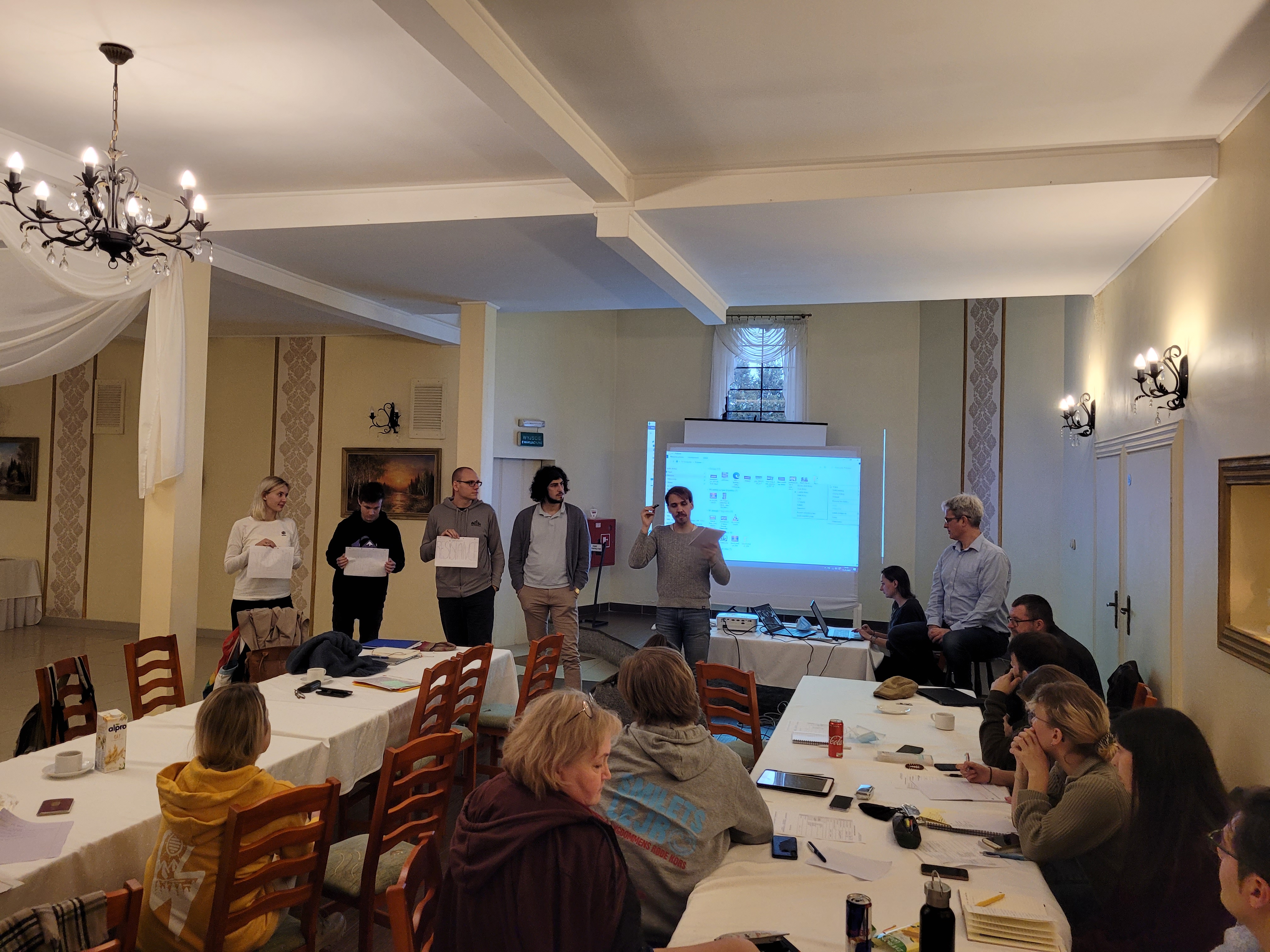
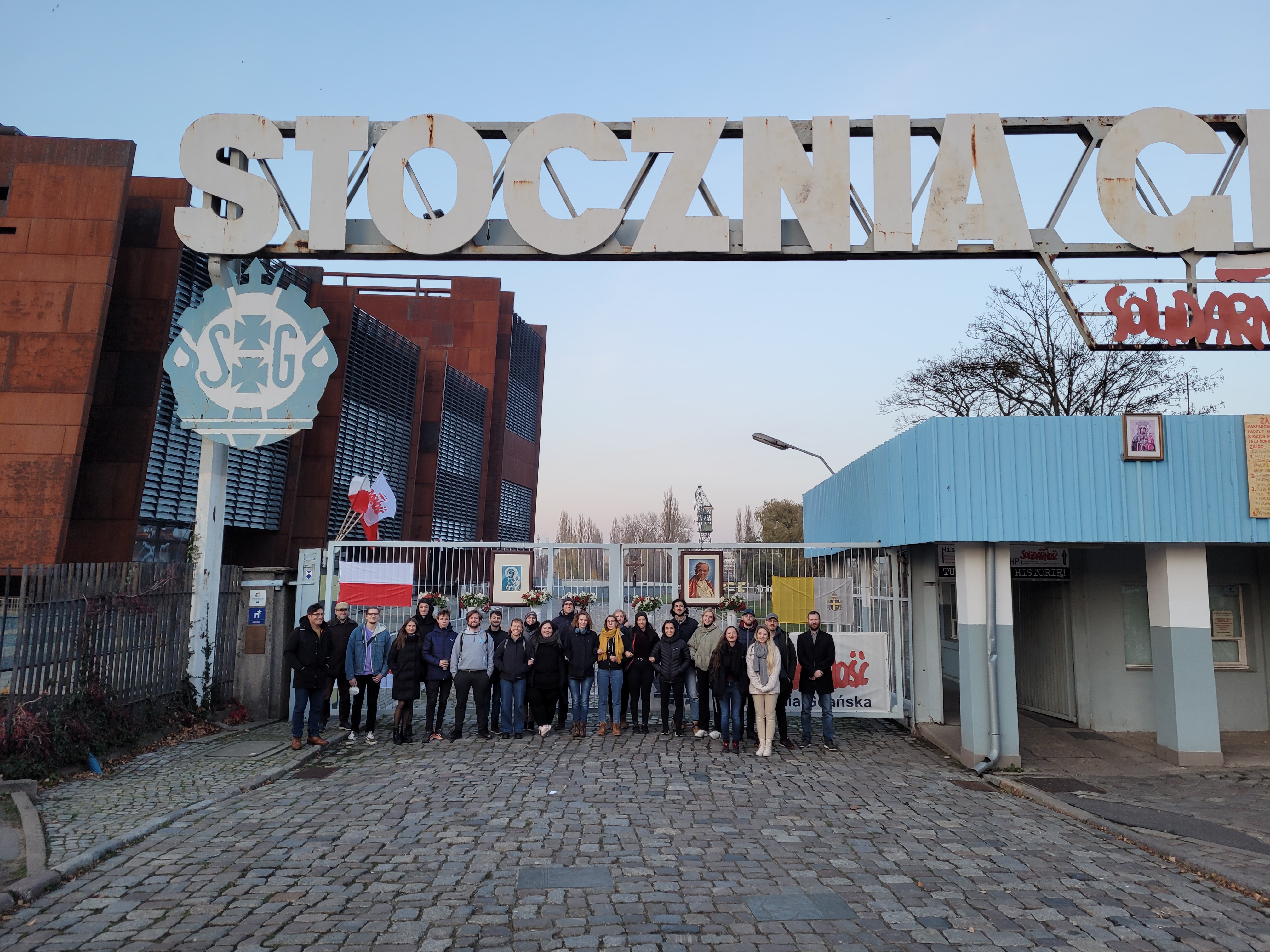
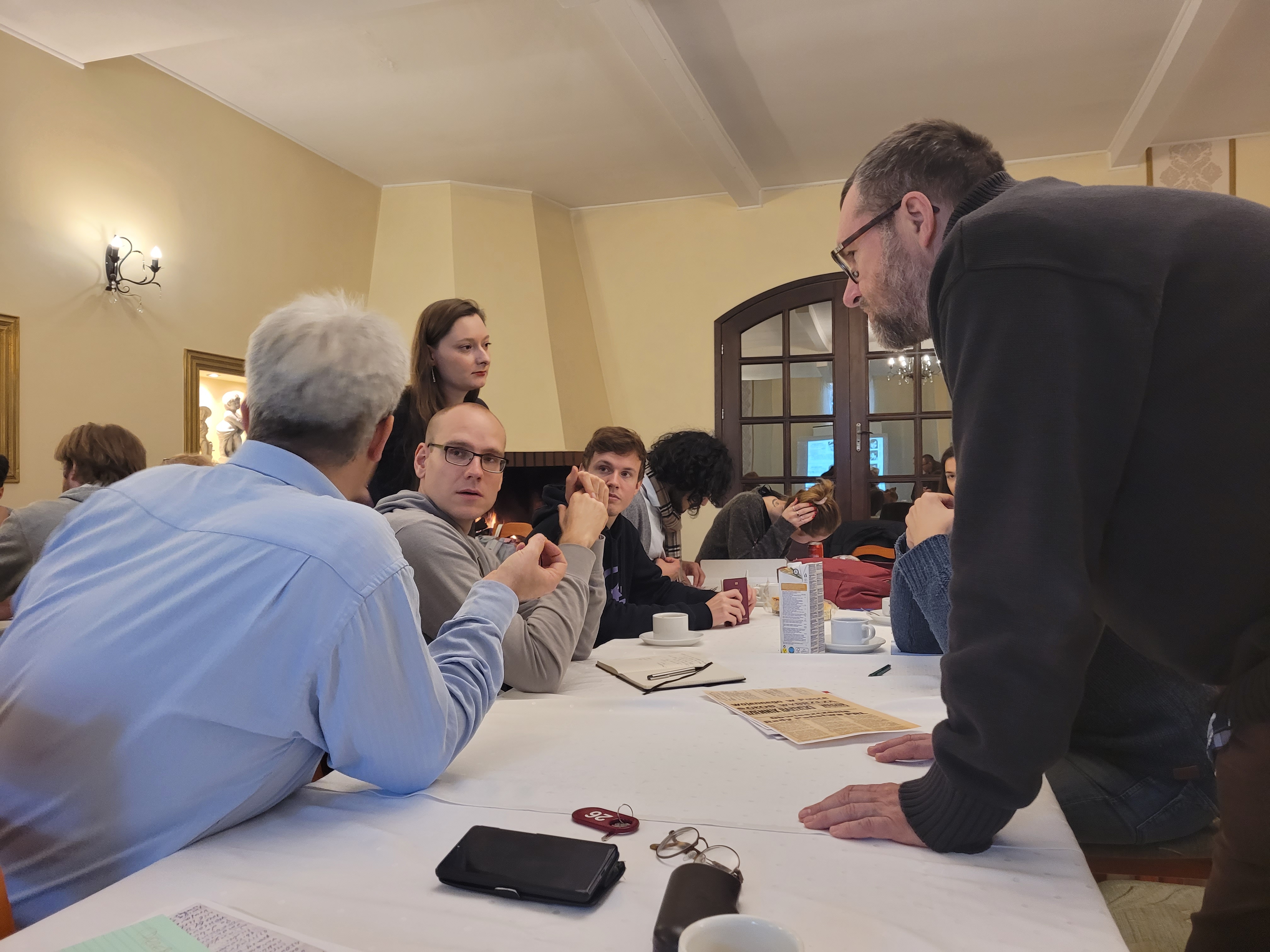
7-12 NOVEMBER 2021 Student Exchange Seminar: „Westliche Ostseeraum im Kalten Krieg. The Western Baltic Sea Area in the Cold War”
Grant by: Fundacja Współpracy Polsko-Niemieckiej
Organizers: University of Gdańsk, University of Southern Denmark, University of Rostock
Partners:
Kalten Kriegs Museum Langeland, Aussenstelle Rostock
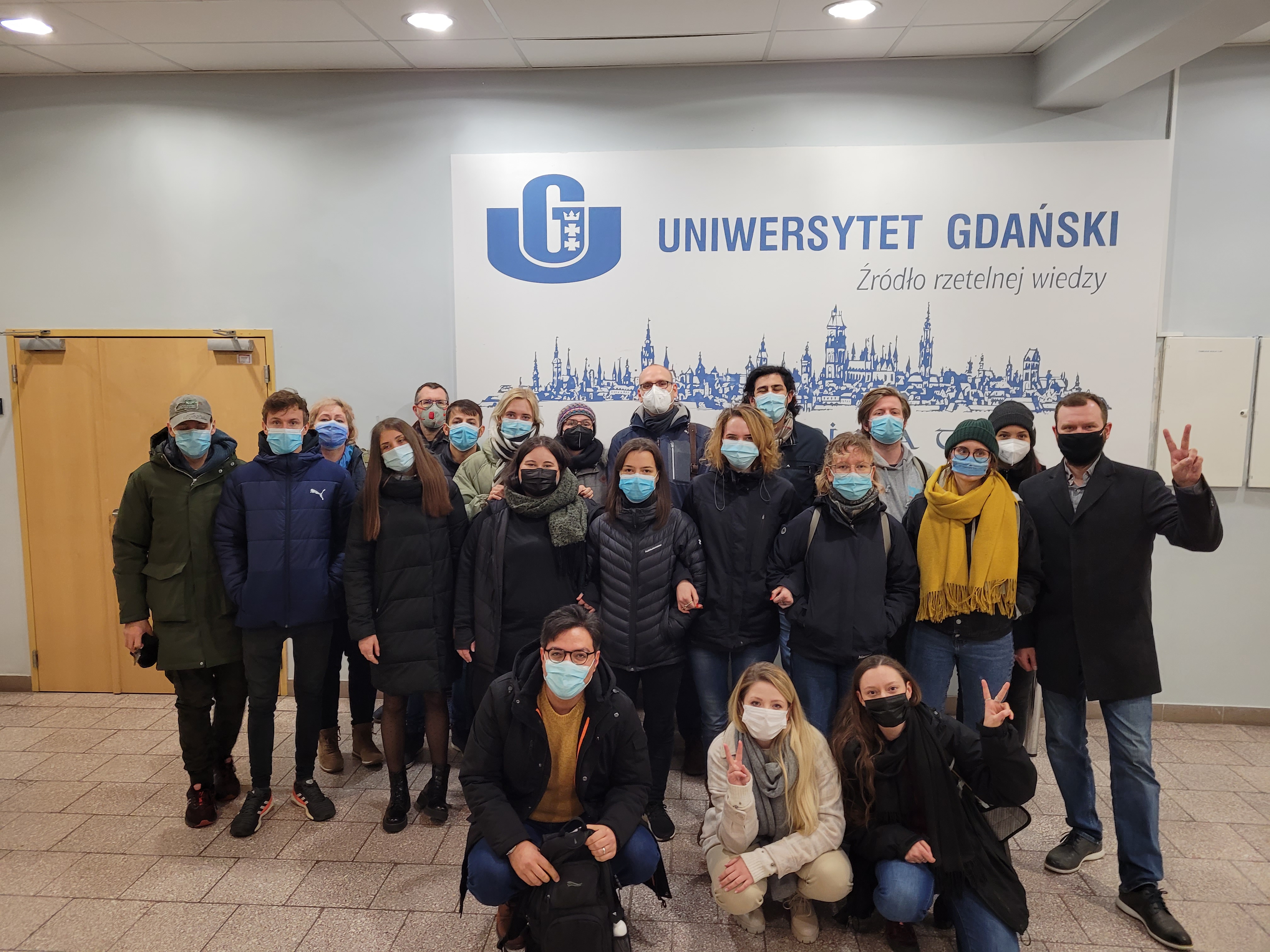
We work with the Baltic Geopolitics Network (BGN): https://www.cfg.polis.cam.ac.uk/networks/baltic
BGN Conference in Gdańsk, 8-9 October 2021 – for program go to: https://ibsc.ug.edu.pl/events/conferences/
See webinar with the participation of UG’s Jacek Tebinka (left)
The long-term project for the „Dehio-Handbuch der Kunstdenkmäler in Ostmitteleuropa” (Dehio Handbook of Art Monuments in East-Central Europe) is currently dedicated to a selection of the most important architectural and art monuments in Poland and the Baltic States, which are described in a hybrid publication – analogue and digital – in several languages.
Founded by Georg Dehio in 1905, the „Dehio-Handbuch der Kunstdenkmäler” is a reference work as well as a travel handbook that concisely conveys local and urban history and offers the most important facts and descriptions of a representative selection of buildings and their furnishings in specific regions. In addition, as an overview work, it contributes to increased attention and greater public awareness of the common European cultural heritage and its preservation. The Dehio Handbook is fundamentally oriented towards historically evolved cultural landscapes in current national borders and administrative units.
Digital Dehio Handbook
As a groundbreaking innovation, the current projects aim at a completely digitally developed hybrid publication: In addition to the traditional analogue product of the printed handbook (in each case in two language versions), an editorial system is being set up as a working platform, at the centre of which are the handbook texts, largely supported by an object database, which in many cases are enriched by the integration of norm data and thesauri as well as by linking with other electronic resources (e.g. image databases). This Digital Dehio Handbook will also serve as a freely accessible research environment (online version for research and research in open access) as well as for mobile use (while travelling, on site). It is being developed in cooperation with digiCULT-Verbund e.G. (memberships through HI and BMBS).
Project history
Since the 1990s, the „Dehio Handbook of Art Monuments in Poland” has been a geographical extension of the traditional Dehios Handbook outside the German-speaking borders on the initiative of the working group of German and Polish art historians and monument conservators, namely to East-Central Europe, where there is a special situation with the diverse historical-cultural interconnections with Germany. After the projects on Silesia and Lesser Poland, North-Eastern Poland now follows. In addition, the perspective was extended to the Baltic countries and a series on Estonia, Latvia and Lithuania was established in cooperation with the Böckler-Mare-Balticum Foundation.
Vol. 1: Silesia / Śląsk (dt. vol. 2005, poln. vol. 2006)
From 1998 onwards, the Handbook of Artistic Monuments in Silesia was compiled as the first joint treatment of a pre-1945 German, now Polish region and published in two language versions. It describes the approximately 2,500 most important monuments in the region. The Herder Institute’s partner (main editors: Dr. Christine Nielsen, Sławomir Brzezicki M.A.) was the Regional Centre for Research and Documentation of Monuments (ROBiDZ) in Wrocław (Grzegorz Grajewski M.A.). Object descriptions and introductory texts were written by 17 Polish and German researchers. In addition to the partners’ own funds, the project was financed by third-party funds from the Federal Government Commissioner for Culture and the Media (BKM), the German Research Foundation, the Gerda Henkel Foundation and the Foundation for German-Polish Cooperation.
Volume 2: Kleinpolen / Małopolska (Polish volume 2016, German volumes 2020)
From 2006 onwards, work on the follow-up project dedicated to the region of Lesser Poland was now carried out in cooperation with the Art History Institute of the Jagiellonian University in Krakow (IHS UJ, Prof. Dr. Wojciech Bałus). The work on the almost 3,100 objects was carried out by 25 authors, four translators, two coordinating editors (Dr Joanna Wolańska, Sławomir Brzezicki) and two proofreaders. In addition to the cooperation partners’ own funds, third-party funding came from the Polish Ministry of Science, the Foundation for German-Polish Cooperation and the Hermann Reemtsma Foundation. The first Polish version of the book was produced by the National Institute of Cultural Heritage in Warsaw (NID); its new edition is in preparation. The German version is published by Deutscher Kunstverlag (ISBN 978-3-422-03125-8).
Dehio Handbook of Art Monuments in East-Central Europe with development of the digital Dehio Handbook
Volume 3: Northeast Poland / Polska północno-wschodnia (Pre-project 2017-19)
For the third sub-project, which is dedicated to north-eastern Poland (Pomerania, Warmia and Masuria) and is being realised in cooperation with the Art History Institute of the University of Gdansk (Prof. Dr Małgorzata Omilanowska, Prof. Dr Tomasz Torbus), essential foundations were laid in two respects in the preliminary project, which has been running since September 2017 until March 2019 and is funded by the BKM: On the one hand, the working area was precisely defined, the first selection of around 3,000 objects was made and a working database with essential geo-data on the places and objects was set up; on the other hand, the conception of the research infrastructure (data model, functionalities) and the set-up of the prototype based on the digiCULT.web system took place.
Further planned components
Pomerania and Neumark
Wielkopolska and Kujawy
Masovia and Podlasie-Region
Latvia (2022-2024)
Lithuania (2025-2027)